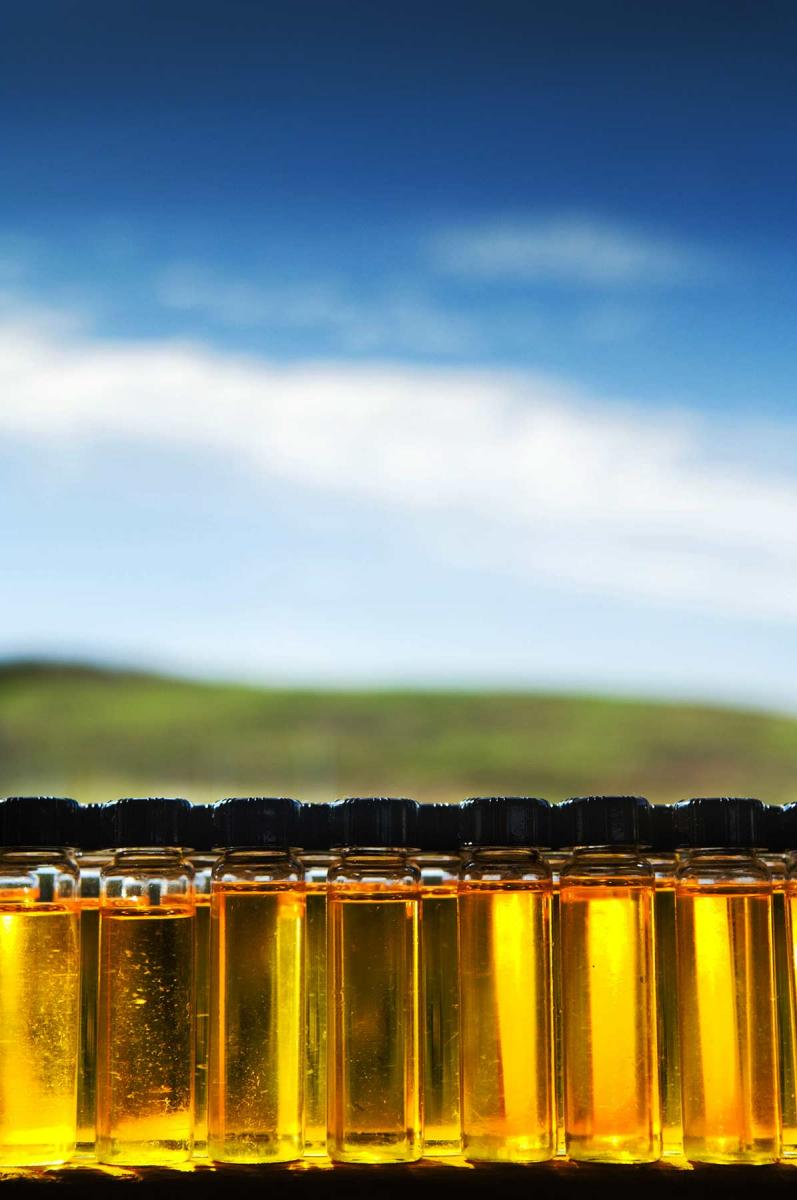
In an era shaped by the global consequences of petroleum — from geopolitical conflict to the steady climb of prices at the pump — oil remains embedded in nearly every facet of modern life, from transportation to the manufacture of everyday goods like plastic. Less visible, however, is a quieter movement that has sought to challenge that dependence.
In 2006, I traveled through Texas to document the emerging use of biodiesel fuel, a renewable alternative derived largely from agricultural products.
At the time, the industry was gaining traction, offering what advocates saw as a threefold benefit: strengthening the American farm economy, reducing reliance on foreign oil and providing a cleaner-burning fuel.
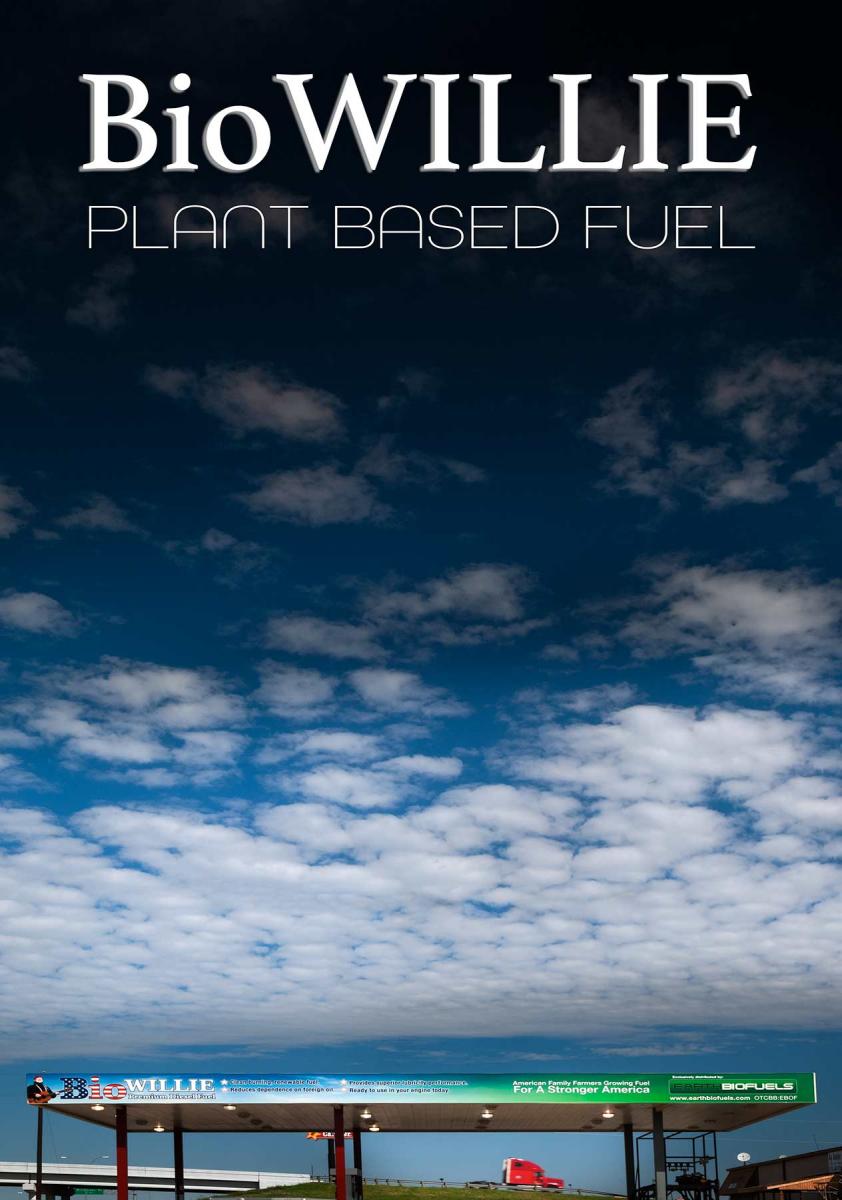
Among the companies helping to expand biodiesel’s reach were Pacific Biodiesel and BioWillie, the latter backed by the musician Willie Nelson and his business partner Peter Bell.
Launched in 2005, the BioWillie brand became one of the more recognizable efforts to bring biodiesel into the mainstream, particularly across Texas.
In Denton, municipal adoption reflected the broader ambitions of the movement.
City sanitation trucks and other public vehicles were outfitted to run on biodiesel blends, part of an effort to transition toward cleaner and renewable sources of energy.
Elsewhere in Denton, innovation extended beyond fuel consumption to production.
At a local landfill, methane gas — a byproduct of decomposing waste — was captured and used to generate energy, contributing to the manufacturing process for biodiesel fuel.
The approach illustrated a closed-loop vision of energy use, where waste itself became a resource.
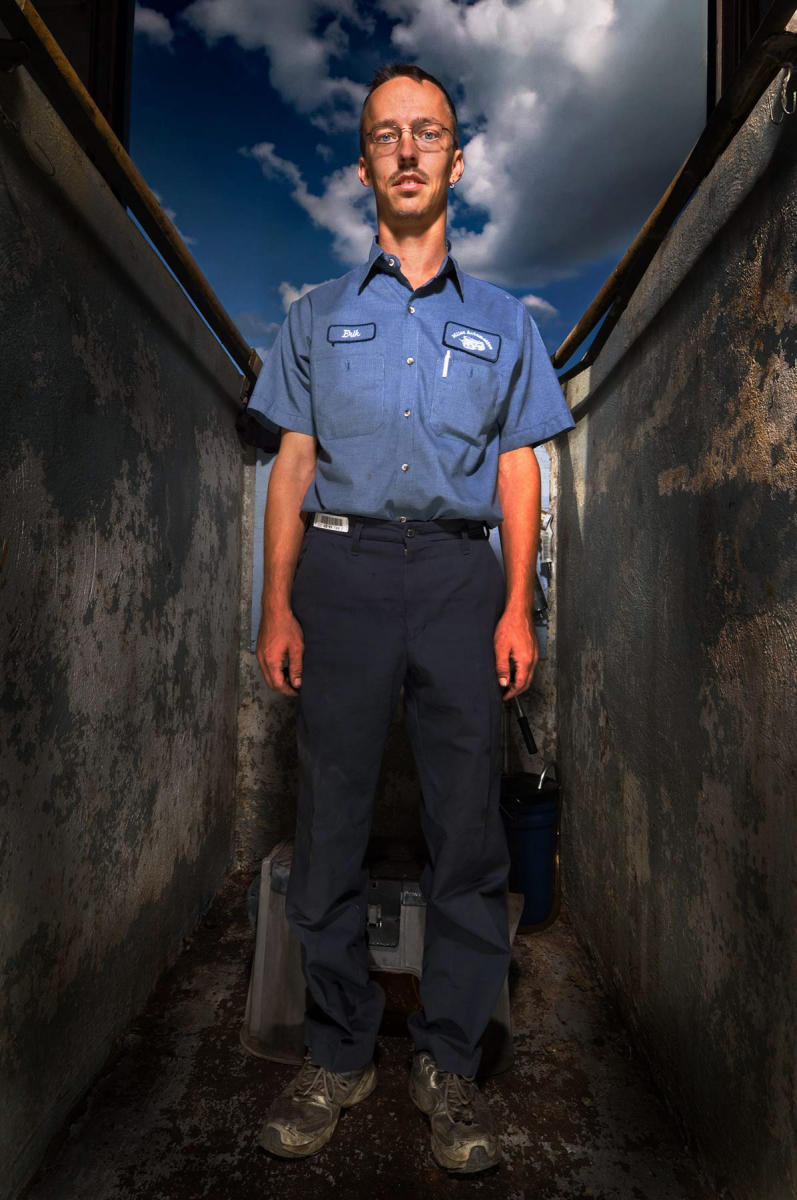
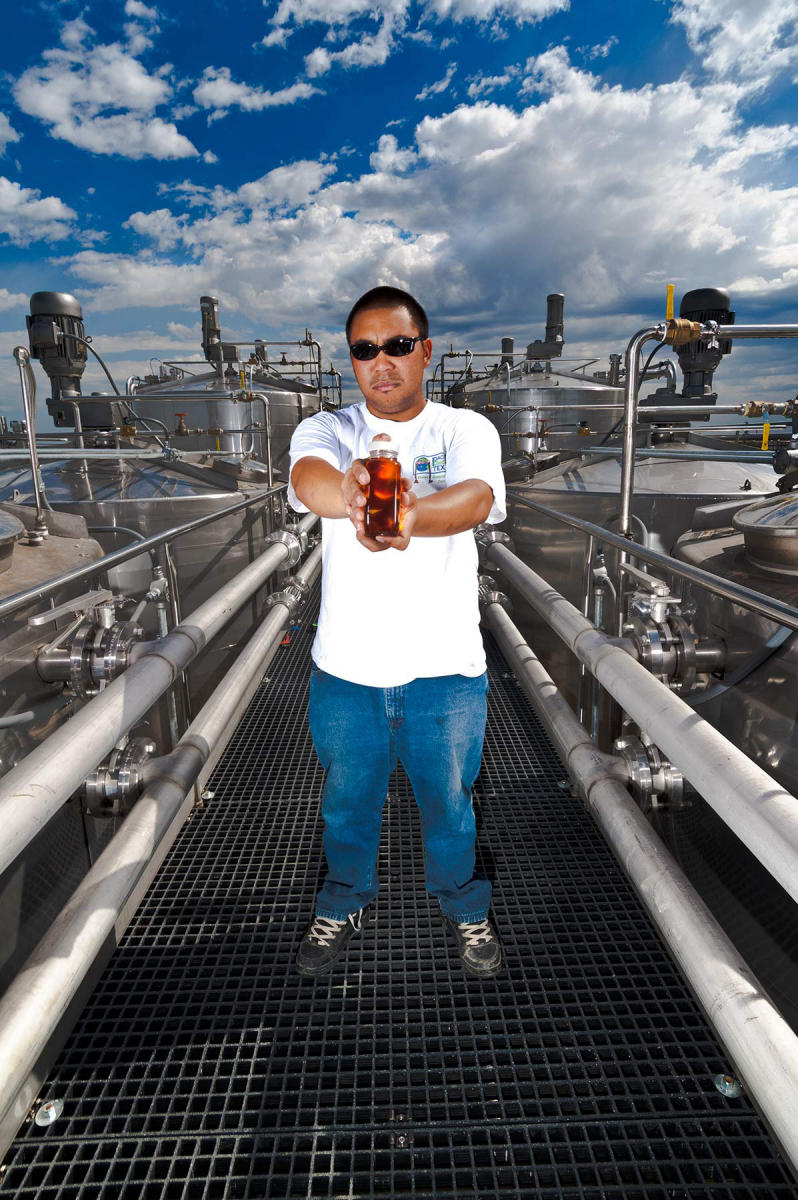
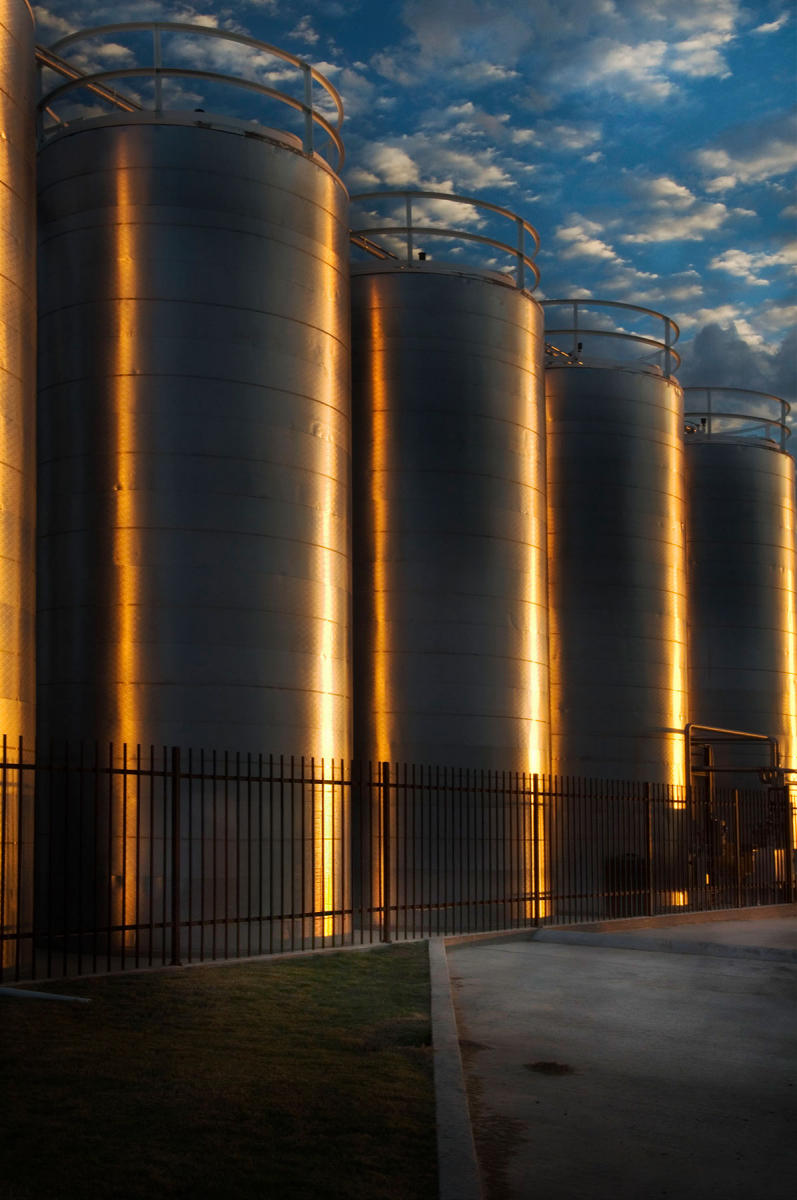
The photographs that follow are drawn from that period, taken in towns including Carl’s Corner, Keller, Wilmer and Denton. They document a network of independent producers, family-run filling stations and individual drivers — each participating in an experiment that, while largely outside the spotlight, reflected an early push toward renewable energy in the American landscape.
BioWillie in Texas basically collapsed as a business around 2010 due to financial problems, bad partnerships, and changing market conditions.
A business the Earth really could use.